Building an early digital identity prototype to learn, validate, and shape the future Swiss e-ID.
Switzerland's future digital identity was still taking shape, with evolving requirements and many unanswered questions.
Rather than designing a production-ready product, the challenge was to create a realistic prototype that enabled government stakeholders, designers, and engineers to explore, test, and validate a completely new model of digital identity.
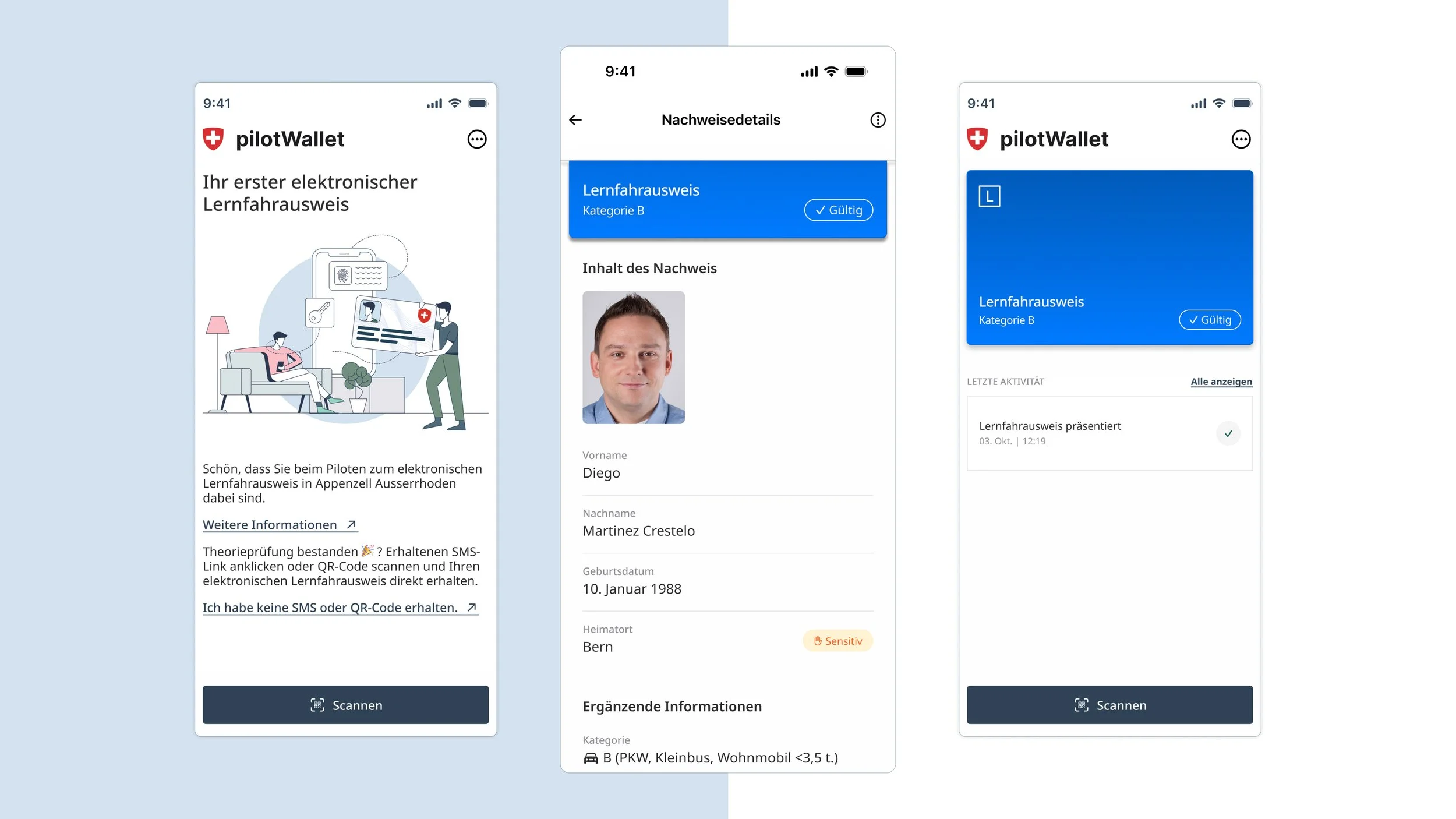
The challenge was to create a realistic product experience that allowed us to validate assumptions, understand user behaviour, and build confidence in a new model of digital identity. All within the constraints of a rapid prototyping initiative.
The goal was to understand how people would interact with self-sovereign identity, identify usability challenges early, and build confidence in a system that required both strong security and public trust. The prototype served as a learning platform—helping shape design decisions and informing the future direction of what would later evolve into Switzerland's digital identity ecosystem.
My Contribution
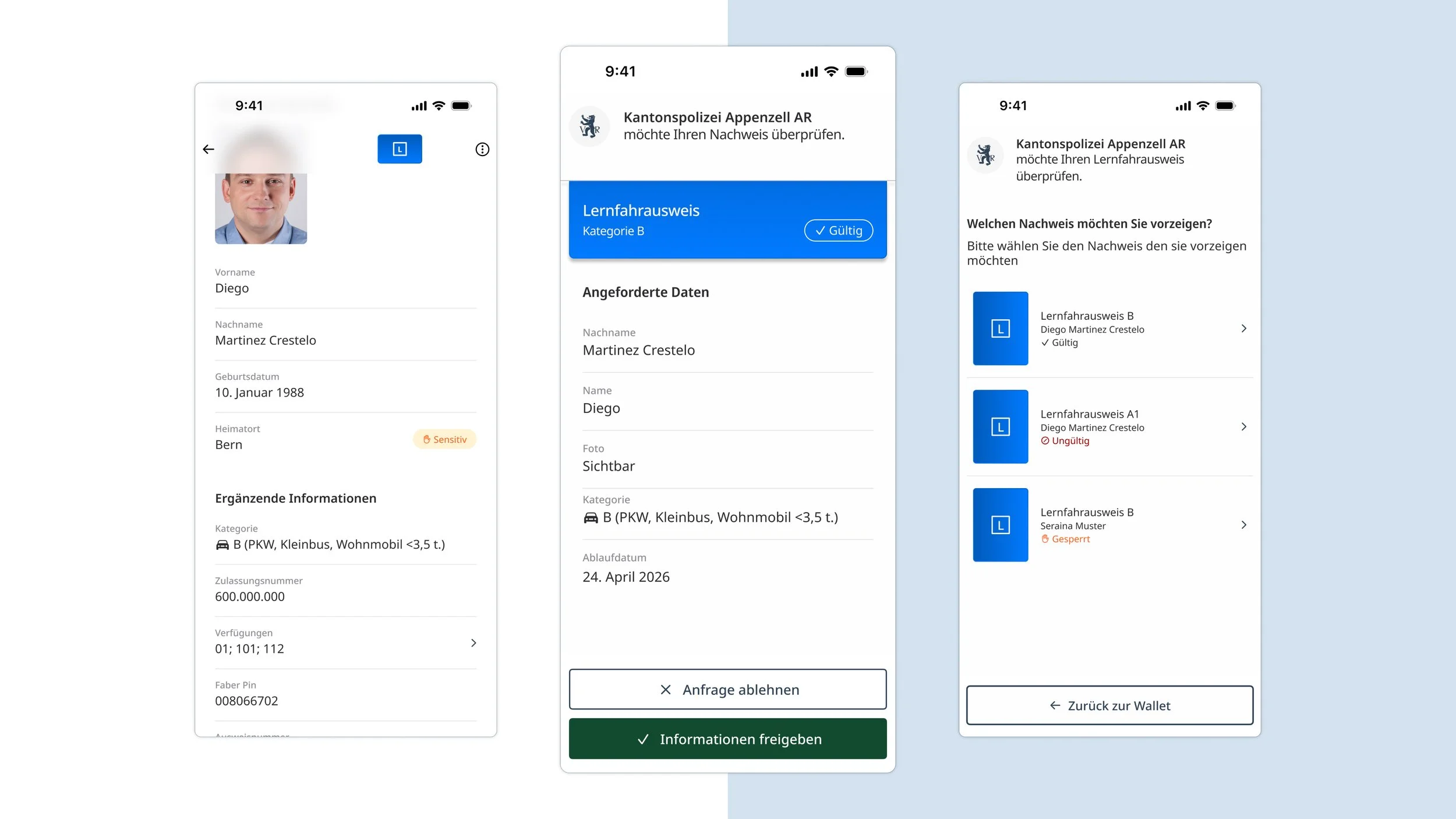
As Lead UX Architect, I was responsible for shaping the overall experience architecture of the pilot wallet.
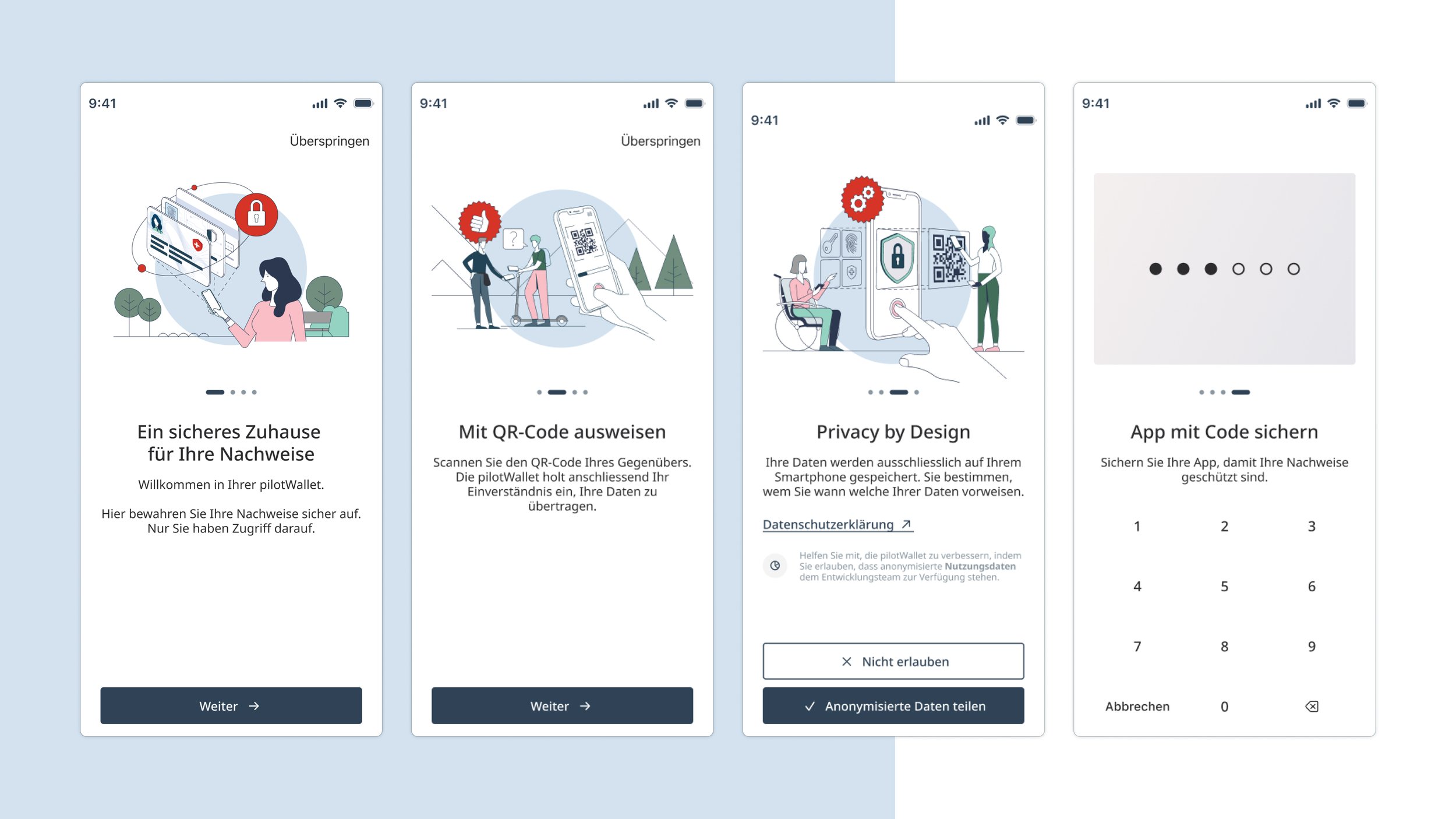
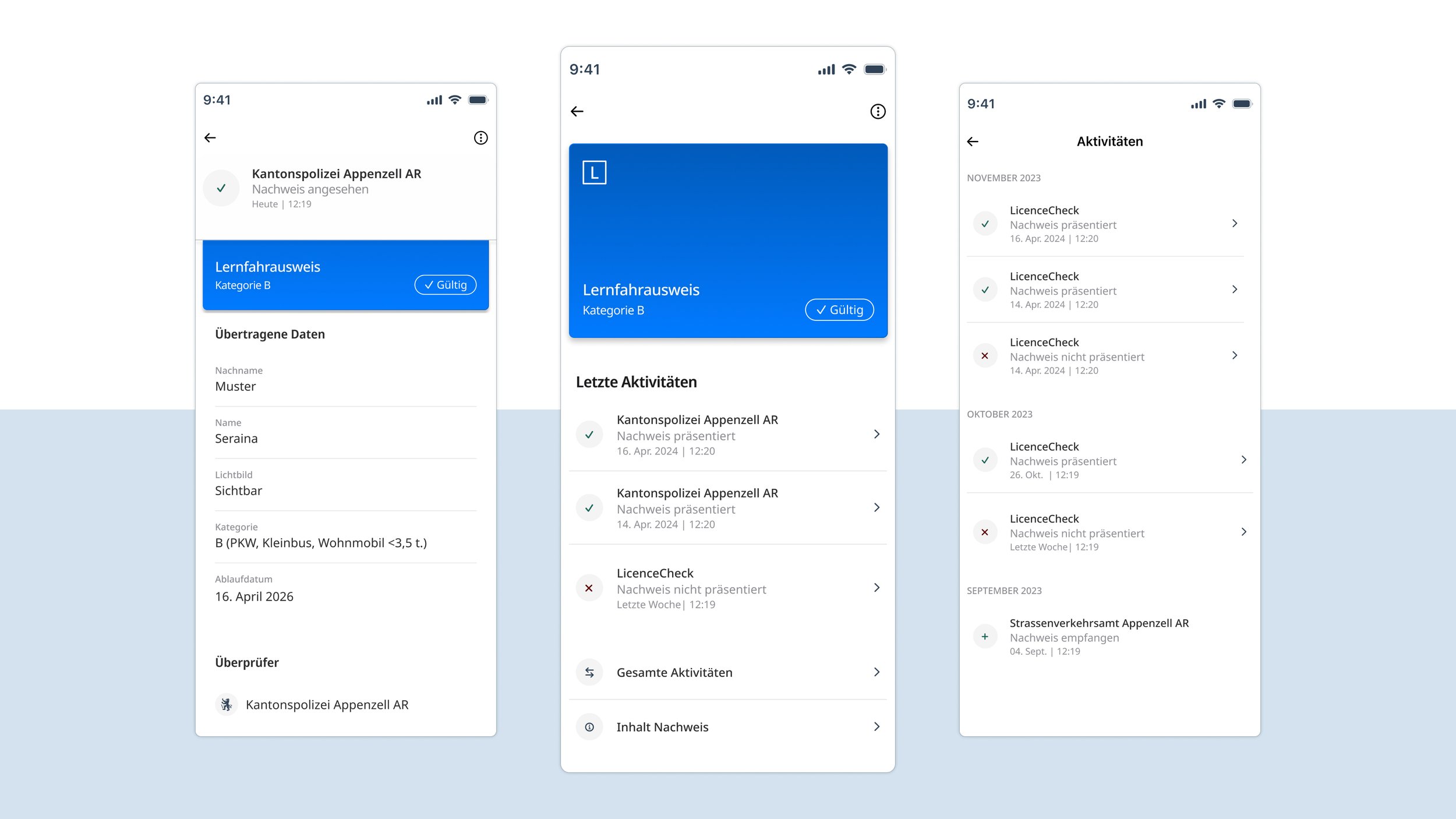
I designed the information architecture, user journeys, onboarding flows, and interaction patterns across the complete credential lifecycle, from receiving and managing digital credentials to securely presenting them in real world situations.
Working closely with designers, developers, security specialists, and government stakeholders, I translated complex technical and regulatory requirements into intuitive experiences that felt trustworthy, accessible, and inclusive. Continuous prototyping and user validation helped refine the experience and informed design decisions throughout the project.
Outcome
The pilot demonstrated how digital identity could become secure, intuitive, and practical for everyday use.
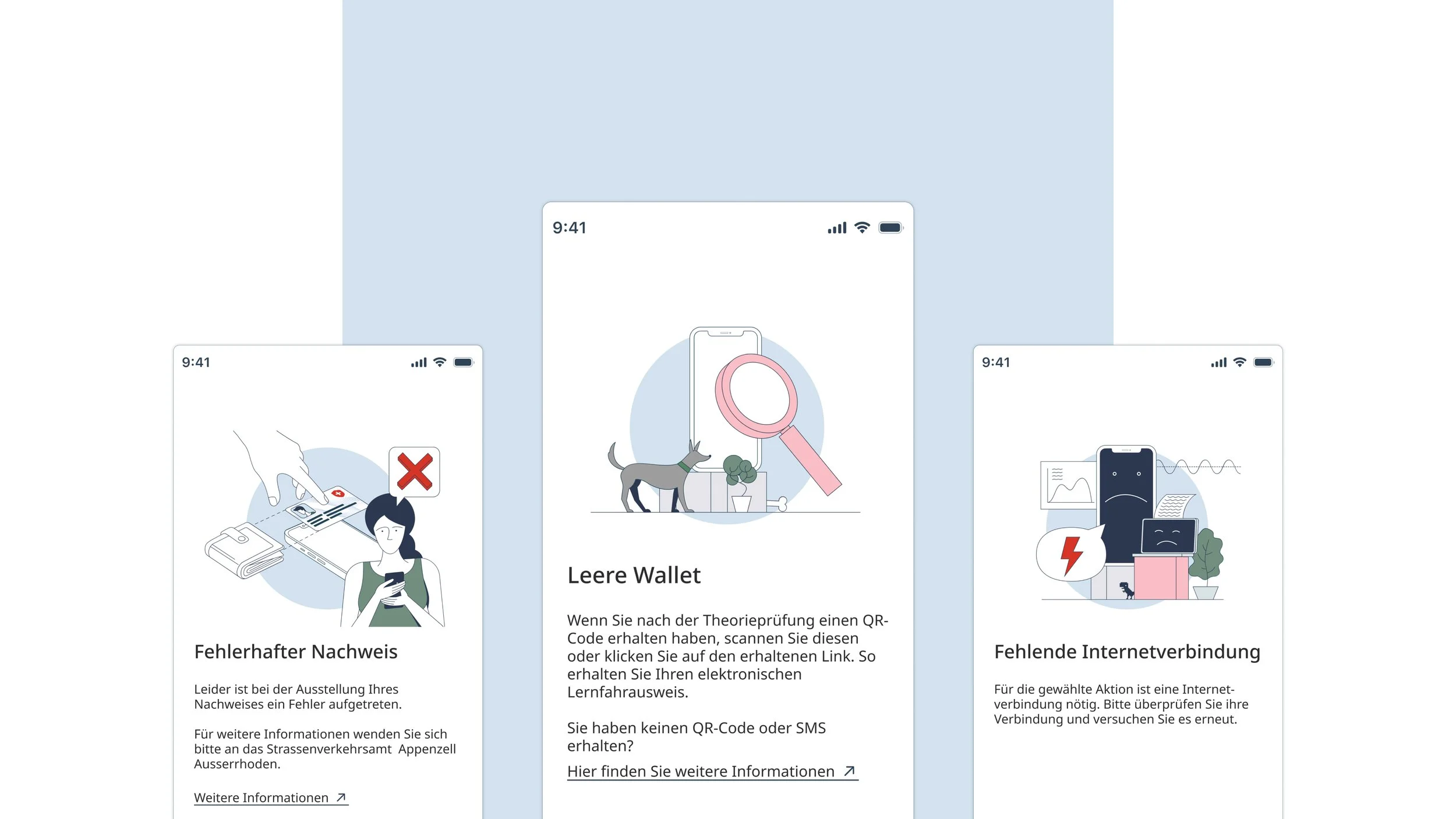
Instead of discussing abstract concepts, stakeholders could experience realistic user journeys, validate assumptions, and observe how people interacted with digital credentials in real scenarios. The prototype became a shared foundation for future design decisions while proving that digital identity can combine privacy, usability, and transparency without compromise.
Design Principles
Design trust before features
Put people in control of their personal data
Make complex security easy to understand
Design for accessibility and inclusion from the beginning
Minimise cognitive effort during sensitive interactions
Validate through continuous prototyping and user feedback
Impact
The project established an experience foundation for Switzerland's future digital identity ecosystem. The insights gained through prototyping, user testing, and interdisciplinary collaboration helped reduce uncertainty, validate key assumptions, and inform the ongoing development of what has since evolved into the swiyu Wallet, laying important groundwork for the future Swiss e ID.